


Summary: PRP (platelet-rich plasma) may help some active adults with hip pain from gluteal tendinopathy or mild hip osteoarthritis. It is a concentrate of your own platelets, injected in the office under image guidance. Research is encouraging but still mixed, results vary from patient to patient and are not guaranteed, and a hip evaluation decides whether PRP fits your diagnosis.
Table of Contents
- What Is PRP and How Is It Used for Hip Pain?
- Which Hip Conditions May Respond to PRP?
- What Does the Research Say About PRP for the Hip?
- PRP vs. Cortisone for Hip Pain: How They Differ
- How Our Team Performs PRP for the Hip in the Office
- When PRP May Not Be the Right Fit for Your Hip
- Is PRP Worth Exploring for Your Hip?
- Frequently Asked Questions
A sore outer hip after golf. A deep groin ache when you stand up. Pain that wakes you when you roll onto one side. For active adults, these are the signs that tennis or long walks are about to get cut short.
If rest and physical therapy have not settled things, you may be hearing about platelet-rich plasma, or PRP. At Tyrance Orthopedics & Sports Medicine, our team offers PRP for select hip conditions. This guide to PRP for hip pain covers which hip problems it is used for, what the research shows, how it compares with cortisone and how we decide if it fits you.
What Is PRP and How Is It Used for Hip Pain?
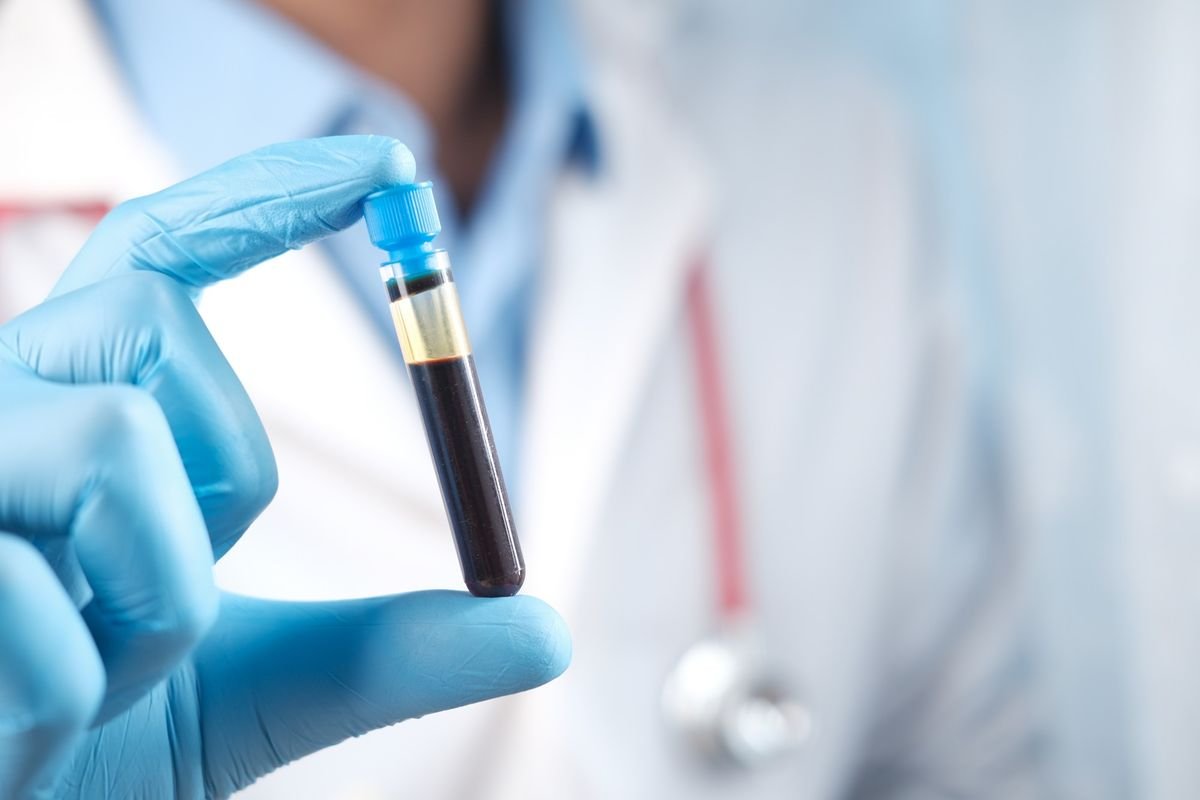
PRP is an injection made from your own blood. A small sample is drawn, spun in a centrifuge to concentrate the platelets and growth factors, and injected into the painful joint or soft tissue. The goal is to support healing and relieve pain in the affected area.
Because PRP comes from your own blood, no donor tissue or implant is involved. Our platelet-rich plasma therapy service covers osteoarthritis, tendonitis, ligament sprains and muscle injuries, and PRP for hip pain is part of that care, since the hip is one of the areas our team treats.
Which Hip Conditions May Respond to PRP?
Our team uses PRP for two hip conditions: gluteal tendinopathy and mild hip osteoarthritis. For hip bursitis, PRP may be discussed as an option to support healing. Getting the diagnosis right comes first, because bursitis and arthritis can feel alike and can even occur together.
- 01Gluteal TendinopathyPain in the outer (lateral) hip; one of the most common causes of lateral hip pain.At TOSM: PRP is used
- 02Mild Hip OsteoarthritisA deep ache in the groin or front of the hip, with stiffness and less rotation.At TOSM: PRP is used
- 03Hip (Trochanteric) BursitisPain at the point of the hip and outer thigh, often worse when lying on that side.At TOSM: PRP may be discussed to support healing
Gluteus medius and minimus tendinopathy is a common cause of lateral hip pain, according to a 2018 randomized trial in the American Journal of Sports Medicine.
The American Academy of Orthopaedic Surgeons describes trochanteric bursitis as inflammation of the bursa over the bony point of the hip. Arthritis pain usually sits deeper in the groin. We explain how our team tells them apart, including checking whether the lower back is sending pain to the hip, in our guide to hip bursitis vs. hip arthritis.
What Does the Research Say About PRP for the Hip?
The evidence for PRP for hip pain is encouraging but still developing. Studies generally report better pain and function, yet they differ in how PRP is prepared, how many injections are given and how long patients are followed.
A 2024 systematic review of five randomized trials on PRP for hip osteoarthritis, published in Cureus, found that the included studies reported less pain and better function, with no major adverse events. The authors also rated the studies from low to high risk of bias, noted that some early benefits faded at later follow-ups, and called for more research on long-term results.
For gluteal tendinopathy, that 2018 trial compared a single PRP injection with a single corticosteroid injection in 80 patients with chronic symptoms. At 2 and 6 weeks there was no significant difference between the groups, and at 12 weeks the PRP group showed greater improvement in hip function scores. Responses vary, which is why candidacy matters.
Regulatory note: PRP is not FDA-approved for any specific orthopedic condition. The FDA has cleared systems that prepare PRP, and using it as an in-office injection is considered off-label, as a review in the Journal of Knee Surgery explains. In Florida, PRP is offered legally with required disclosures. Results vary by patient.
PRP vs. Cortisone for Hip Pain: How They Differ
Cortisone is a short-term anti-inflammatory. PRP is a biologic concentrate made from your own blood, with a different goal. The two are not interchangeable, and the better fit depends on your diagnosis, how long the pain has lasted and what you have already tried.
| Factor | Cortisone injection | PRP injection |
|---|---|---|
| What it is | A corticosteroid medication | A concentrate of your own platelets and growth factors |
| Main goal | Calm inflammation in the short term | Support the body’s healing process and relieve pain |
| Common role in the hip | Calming painful flares | Studied for tendon and joint problems that have not improved with first-line care |
How Our Team Performs PRP for the Hip in the Office
At Tyrance Orthopedics & Sports Medicine, PRP for the hip is an in-office procedure completed in one appointment at our Delray Beach office. Blood draw, processing and an image-guided injection all happen in the same visit, which typically runs about 60 to 90 minutes. Each appointment follows the same sequence:
- We review your case and confirm your consent.
- We draw a small sample of your blood.
- We process the sample in a closed system in the procedure room.
- We inject the PRP under image guidance into the target area.
Image guidance is part of how PRP has been studied in the hip: the 2018 gluteal tendinopathy trial delivered its injections under ultrasound guidance. Our team uses in-office ultrasound to see the joint, tendon and needle tip in real time, as we explain in our guide to ultrasound-guided injections.
Some anti-inflammatories may need to be paused beforehand, and blood thinners require individual planning with your prescribing physician. Most patients drive themselves home, and our PRP post-procedure care instructions cover rest and activity guidance after the injection.
Some patients do well with one injection, while others benefit from a short series, decided case by case. Our overview of PRP therapy for Boca Raton patients walks through the same appointment from a patient’s point of view.
When PRP May Not Be the Right Fit for Your Hip
PRP is not a universal answer for hip pain. A few situations generally rule it out, and when PRP is not the right tool, our team builds a plan around other non-surgical options. PRP is unlikely to be the right choice for:
- Acute fractures
- Deep infections
- Certain blood disorders
- Some advanced degenerative conditions
Other hip options our team may recommend, on their own or alongside PRP:
| Option | When our team considers it |
|---|---|
| Activity modification and targeted physical therapy | Where hip bursitis care typically starts |
| Hip and core strengthening, plus training adjustments | Part of hip bursitis care; AAOS also lists strengthening and stretching for bursitis |
| Image-guided injection | One of our hip bursitis treatment options |
| Shockwave therapy | Chronic tendon and soft tissue irritation around the hip |
| Joint replacement | Generally considered only when cartilage loss is advanced |
Shockwave therapy is part of our non-surgical pain management program, which our team can pair with regenerative treatments when your plan calls for it.
Is PRP Worth Exploring for Your Hip?
PRP for hip pain is worth exploring if outer-hip or groin pain keeps you from the activities you enjoy and first-line care has stalled. It is a reasonable option for gluteal tendinopathy and mild osteoarthritis when the diagnosis is clear and expectations are realistic, since results vary from patient to patient and are not guaranteed.
If hip pain is cutting into the activities you enjoy, schedule a hip evaluation with the team at Tyrance Orthopedics & Sports Medicine.
Schedule a Hip EvaluationFrequently Asked Questions

Patrick Tyrance, MD
An orthopedic surgeon and former NCAA Academic All-American linebacker and NFL draft pick. Having competed at the highest level, he understands what it takes to get patients back to what they love — with a focus on regenerative, minimally invasive care.
- Practice: Delray Beach, FL
- Profile: About Dr. Tyrance
- LinkedIn: Patrick Tyrance, MD
- [1]AAOS OrthoInfo, Hip Bursitis. orthoinfo.org/bodypart/hip-thigh/hip-bursitisAAOS
- [2]Fitzpatrick et al., PRP vs. corticosteroid injection for gluteal tendinopathy, Am J Sports Med 2018;46(4):933-939. doi.org/10.1177/0363546517745525AJSM
- [3]Almutairi and Alazzeh, a systematic review of PRP for hip osteoarthritis, Cureus (2024). pmc.ncbi.nlm.nih.gov/articles/PMC11578636Cureus
- [4]A review of US definitions and the FDA stance on PRP, Journal of Knee Surgery (2015). pubmed.ncbi.nlm.nih.gov/25268794J Knee Surg