

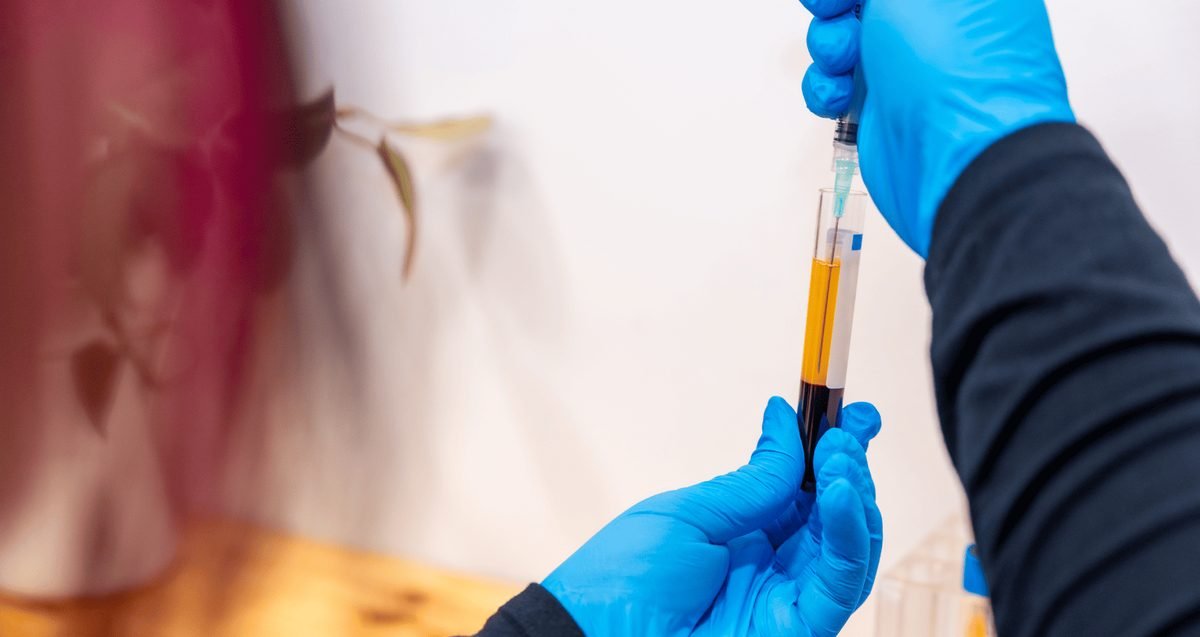
Summary: An ultrasound-guided injection uses real-time imaging to place medication exactly where it is needed, rather than by feel. Done in the office in minutes, it improves accuracy for joint and soft tissue injections in the shoulder, hip, and knee. Greater precision can mean better targeting and less guesswork than a blind injection.
Table of Contents
When an injection is meant to calm a specific joint or tendon, placement is everything. Medication that lands even slightly off target may not do its job, which leads to repeat visits and frustration. Ultrasound guidance takes the guesswork out by letting the physician watch the needle in real time.
This article explains what ultrasound-guided injections are, why the precision matters, which treatments can be guided this way in our Delray Beach office, and what the visit actually looks like. If you have been told you might need an injection, understanding your options helps you make a confident decision.
What Are Ultrasound-Guided Injections?
An ultrasound-guided injection is a treatment in which the physician uses a live ultrasound image to direct the needle to the exact spot that needs it. Instead of relying on surface landmarks alone, the provider sees the joint, tendon, and needle tip on screen throughout the procedure.
Ultrasound uses sound waves, not radiation, so it is safe to use in the office and can be repeated as needed. It shows soft tissue structures that an X ray cannot, which makes it well suited for guiding injections in and around joints.
Why Image Guidance Matters: Precision Over Guesswork
Image guidance matters because accuracy affects results. When medication reaches the intended target, the treatment has its best chance to work as designed. Guiding the needle by feel alone can miss deeper or smaller targets, especially in complex joints like the hip.
Watching the needle in real time also improves safety by helping the physician steer clear of nearby nerves and blood vessels. For patients, that often means a more comfortable experience and fewer repeat attempts. You can read more about our overall pain management approach and how precise placement fits into a larger plan.
Which Injections Can Be Guided by Ultrasound?
Ultrasound can guide a range of orthopedic injections, from anti-inflammatory and corticosteroid injections to regenerative treatments. The common thread is that each benefits from being delivered precisely to a joint, bursa, or tendon rather than to the surrounding tissue.
In regenerative medicine, ultrasound helps place platelet rich plasma (PRP) or bone marrow aspirate concentrate (BMAC) accurately into the target area, though results vary from patient to patient and are not guaranteed. To understand how these therapies are used, see how PRP is applied in sports medicine and our explainer that is busting PRP therapy myths.
What to Expect During an In-Office Injection
An in-office ultrasound-guided injection is typically quick and does not require a hospital visit. After positioning you comfortably, the physician applies gel and the ultrasound probe, identifies the target, and guides the needle while watching the screen. The injection itself usually takes only a few minutes.
Most people return to light daily activity soon afterward, with specific aftercare guidance based on what was injected. Because the procedure is done in the office, there is no general anesthesia and minimal disruption to your day. Your physician will review what to expect for your particular treatment.
Who May Benefit from Ultrasound-Guided Injections?
People with joint or soft tissue pain that has not responded to rest, activity changes, or therapy may benefit from a precisely placed injection. It is often considered for shoulder, hip, and knee conditions where accurate targeting is important for the treatment to help.
Candidacy depends on your diagnosis, your history, and your goals. An orthopedic evaluation determines whether an injection is appropriate, which type makes sense, and whether ultrasound guidance adds value in your specific case.
Ultrasound-Guided vs. Landmark Injections
A landmark, or blind, injection is placed using external anatomy as a guide, while an ultrasound-guided injection is placed using live imaging of the actual target. Both are used in orthopedics, but guidance adds confirmation that the needle reached the intended spot.
For superficial, easy to reach areas, a landmark injection may be perfectly reasonable. For deeper or more complex targets, or when previous injections have not helped, image guidance can be the more dependable choice. Your physician will recommend the approach that suits your anatomy and diagnosis.
Frequently Asked Questions
Are ultrasound-guided injections painful?
Most patients tolerate them well. You will feel the needle and some pressure, but ultrasound helps the physician work efficiently and avoid sensitive structures, which can make the experience more comfortable than a blind injection. A numbing step is often used first.
How long does an in-office ultrasound-guided injection take?
The injection itself usually takes only a few minutes once you are positioned. The full visit is longer to allow for evaluation, imaging, and aftercare instructions, but there is no hospital stay and no general anesthesia involved.
Is ultrasound guidance better than a blind injection?
For deeper or complex targets, ultrasound guidance improves accuracy by letting the physician confirm the needle reached the right spot. For simple, superficial injections, a landmark technique may be sufficient. The right choice depends on your anatomy and diagnosis.
Can PRP and BMAC be delivered with ultrasound guidance?
Yes. Ultrasound helps place regenerative treatments like PRP and BMAC precisely into the target area. Whether these therapies are appropriate depends on your diagnosis, and results vary and are not guaranteed. An evaluation is the most reliable way to know.
Does ultrasound use radiation?
No. Ultrasound uses sound waves rather than radiation, which is why it is safe to use in the office and can be repeated. It also shows soft tissues that X rays cannot, making it useful for guiding injections around joints and tendons.

Patrick Tyrance, MD
An orthopedic surgeon and former NCAA Academic All-American linebacker and NFL draft pick. Having competed at the highest level, he understands what it takes to get patients back to what they love — with a focus on regenerative, minimally invasive care.
- Practice: Delray Beach, FL
- Profile: About Dr. Tyrance
- LinkedIn: Patrick Tyrance, MD