


Summary: Joint pain and inflammation happen when tissues in or around a joint, such as cartilage, tendons, bursae or the joint lining, become irritated or damaged. Osteoarthritis, tendinitis, bursitis and overuse injuries are the most common causes. Daily habits can support calmer joints, nutritional support is something some people consider, and symptoms that keep coming back deserve an evaluation at Tyrance Orthopedics & Sports Medicine to find the source.
Table of Contents
A knee that swells after a long walk, a shoulder that aches after golf, a hip that feels stiff the moment you get out of bed. Joint pain and inflammation can look similar from the outside, but the causes are rarely the same.
Inflammation is the body’s response to irritation or injury. In a joint, it usually shows up as pain, swelling, warmth and stiffness. Short-lived inflammation is part of healing, but when it lingers it changes how you move, sleep and train. Below, this guide from Tyrance Orthopedics & Sports Medicine covers the main causes, the signs to watch, everyday steps that help, and when an evaluation makes sense.
What Joint Inflammation Is and Why It Hurts
Joint inflammation is the immune system’s response to irritation or damage in or around a joint. Fluid and immune cells move in, creating swelling, warmth and tenderness. Short term, this supports repair; when it becomes chronic, it keeps pain and stiffness going.
According to Harvard Health’s overview of chronic inflammation in the joints, long-lasting inflammation can damage cartilage, bone, tendons and ligaments and produce pain, swelling and stiffness.
| Feature | Acute inflammation | Chronic inflammation |
|---|---|---|
| Typical trigger | A new injury, strain or flare-up | Joint wear, overuse or an underlying condition |
| How long it lasts | Usually settles as tissue heals | Lingers or keeps coming back |
| What you notice | Sudden swelling, warmth and tenderness | Persistent ache, stiffness, less motion |
Common Causes of Joint Pain and Inflammation
Most joint pain and inflammation in active adults comes from a few orthopedic causes: osteoarthritis, tendinitis, bursitis, cartilage damage and overuse injuries. Inflammatory arthritis, such as rheumatoid arthritis and gout, is driven by the immune system or by crystals in the joint and follows a different medical pathway.
| Cause | What is happening | Joints commonly affected |
|---|---|---|
| Osteoarthritis | Cartilage breakdown with low-grade inflammation | Knees, hips, shoulders |
| Tendinitis | Irritation of a tendon from repeated load | Shoulder, knee, elbow |
| Bursitis | Inflamed bursa, the small fluid sac that reduces friction | Hip, shoulder |
| Cartilage damage | Injury or wear to the joint surface | Knee, hip, shoulder |
| Overuse and sports injuries | Repeated strain or a sprain irritating nearby tissue | Knee, shoulder, ankle |
Signs Your Joints Are Inflamed
Inflamed joints usually feel swollen, warm, stiff or tender, and they often hurt more after activity or first thing in the morning. A joint that also locks, gives way or loses motion needs a closer look, since those changes suggest something beyond routine soreness.
| Sign | What it can look or feel like |
|---|---|
| Swelling | Puffiness, or one knee that looks larger than the other |
| Warmth | The skin over the joint feels warmer to the touch |
| Stiffness | Trouble bending or straightening, especially after rest |
| Reduced motion | Difficulty reaching overhead, climbing stairs or turning the hip |
When to schedule an evaluation: Contact Tyrance Orthopedics & Sports Medicine if swelling lasts more than a few days, keeps returning, follows an injury, or limits sleep, work or training. A hot, red joint with fever needs prompt medical attention.
How to Reduce Inflammation in Joints: Everyday Steps
Daily habits will not replace a diagnosis, but they can support calmer joints. Low-impact movement, weight management, cold or heat during flare-ups and an anti-inflammatory eating pattern are practical starting points for most people with joint pain and inflammation. The table below summarizes each step.
| Everyday step | Why it may help |
|---|---|
| Low-impact activity | Walking, cycling and swimming keep joints moving |
| Weight management | Less load through the knees and hips |
| Cold or heat | Cold is often used for new swelling, heat for stiffness |
| Anti-inflammatory eating | Whole foods, fish, vegetables and olive oil over processed foods |
An anti-inflammatory eating pattern may be good for your joints and research points to a benefit for prevention, although the benefit is less clear once joint problems have already developed.
Nutritional Support for Joint Health
Turmeric and its main compound, curcumin, are widely studied supplements for joint comfort. According to the National Center for Complementary and Integrative Health, several meta-analyses have pooled data from studies of oral turmeric and curcumin in people with osteoarthritis, tracking knee pain, joint strength, mobility and daily function. Early findings are encouraging, but stronger studies are needed before firm conclusions can be drawn, and it is still unclear how differences in bioavailability affect curcumin’s results.
As a clinical member of Avastar® Health Systems, our sister brand for supplements, we can point patients who want nutritional support to CurcuMax Pro by Avastar, a turmeric supplement that contains BCM-95®, a patented curcumin extract. Avastar presents it as support for joint health and mobility, with antioxidant and immune support. It complements an evaluation and care plan; it does not replace one.
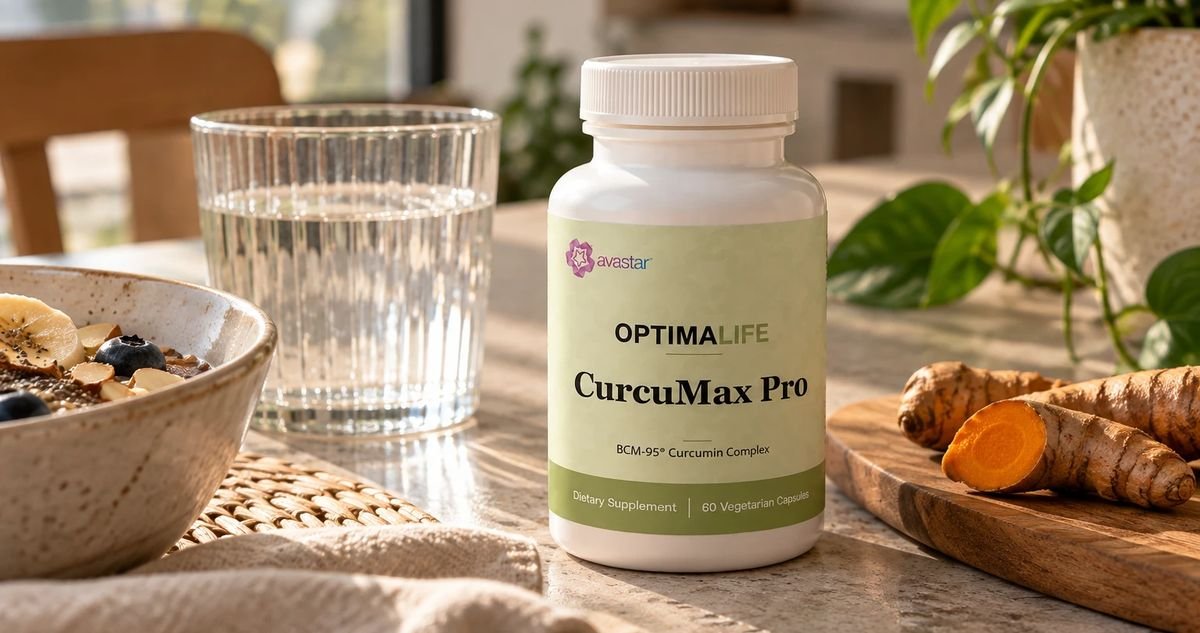
Before you start a supplement: Talk with Tyrance Orthopedics & Sports Medicine before adding any supplement, especially if you are pregnant or nursing, have a medical condition or take medications. Highly bioavailable formulations of curcumin may harm the liver.
When Inflammation Doesn’t Settle: How We Evaluate and Treat It
When joint pain and inflammation persist despite good daily habits, the next step is finding the exact source. At Tyrance Orthopedics & Sports Medicine, we review your history, imaging and goals and match treatment options to the cause. The options below are examples, and candidacy depends on what the evaluation finds.
Many injections at the Delray Beach office can be placed with in-office ultrasound guidance, which uses a live image to direct the needle to the exact spot instead of placing it by feel. It can guide anti-inflammatory, corticosteroid and regenerative injections without a hospital visit.
| Option | What it is | How it relates to joint inflammation |
|---|---|---|
| Traumeel injections | Homeopathic, plant-based injection (arnica, echinacea) | An alternative to corticosteroid injections for joint pain and inflammation |
| PRP (platelet-rich plasma) | A concentrate made from your own blood | Used for osteoarthritis, tendinitis and ligament sprains to support healing |
| Ultrasound-guided injections | Live imaging during the injection | Places treatment precisely in the joint or tissue |
See the orthopedic pain management page and the article on Traumeel as a plant-based option for pain for more detail.
For regenerative care, the platelet-rich plasma (PRP) page explains how PRP works, and our regenerative joint pain treatment page covers how these options fit together in Delray Beach.
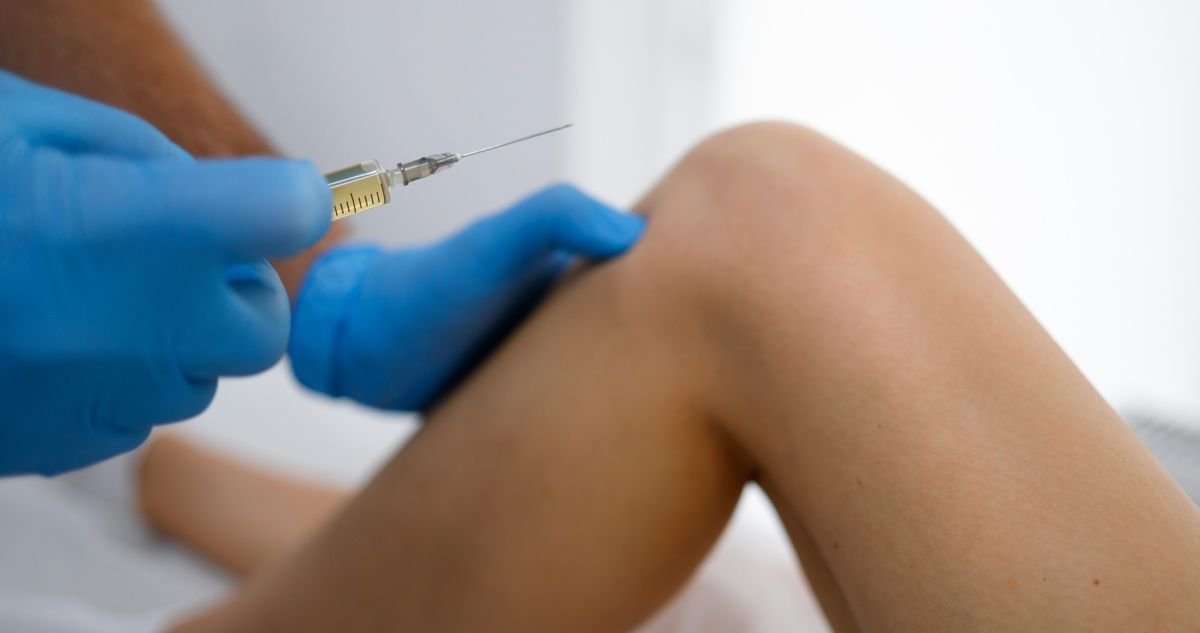
Regulatory note: PRP is an autologous biologic and is not FDA-approved for a specific medical condition. In Florida, PRP is offered with required disclosures, and at Tyrance Orthopedics & Sports Medicine, whether it fits your imaging, history and goals is discussed before treatment. Results vary and are not guaranteed.
Taking the Next Step for Your Joints
Joint pain and inflammation have many causes, and finding yours is the most useful first step. Everyday habits and nutritional support can help along the way; a precise diagnosis points care in the right direction. Noting when symptoms flare, which joints are involved and what eases them gives an evaluation a stronger starting point.
Ready to find the source of your joint pain?
Schedule a ConsultationTyrance Orthopedics & Sports Medicine, Delray Beach, FL
Frequently Asked Questions

Patrick Tyrance, MD
An orthopedic surgeon and former NCAA Academic All-American linebacker and NFL draft pick. Having competed at the highest level, he understands what it takes to get patients back to what they love — with a focus on regenerative, minimally invasive care.
- Practice: Delray Beach, FL
- Profile: About Dr. Tyrance
- LinkedIn: Patrick Tyrance, MD
- [1]Harvard Health on chronic inflammation and your joints. health.harvard.edu/pain/chronic-inflammation-and-your-jointsHARVARD HEALTH
- [2]Harvard Health on an anti-inflammatory diet for your joints. health.harvard.edu/diet-and-nutrition/an-anti-inflammatory-diet-may-be-good-for-your-jointsHARVARD HEALTH
- [3]the National Center for Complementary and Integrative Health on turmeric. nccih.nih.gov/health/turmericNCCIH
- [4]a review of inflammation in osteoarthritis in Nature Reviews Rheumatology. pmc.ncbi.nlm.nih.gov/articles/PMC5500215NATURE REVIEWS RHEUMATOLOGY