
Summary: Shockwave therapy, also called extracorporeal shockwave therapy (ESWT), uses focused acoustic waves to stimulate the body's healing response in stubborn tendon problems. It is a non-surgical, in-office option for chronic tendonitis that has not responded to rest and therapy. Results vary, and a candidacy evaluation determines whether it fits.
When tendon pain drags on for months despite rest, stretching, and therapy, it is easy to feel stuck between living with it and considering surgery. Shockwave therapy is one non-surgical option that targets exactly that gap for chronic, stubborn tendon problems.
This article explains what shockwave therapy is, how it may help chronic tendonitis, which conditions it can address, and what a session actually involves in our Delray Beach office. If a lingering tendon issue has not budged, it helps to know your options.
What Is Shockwave Therapy?
Shockwave therapy, known clinically as extracorporeal shockwave therapy or ESWT, delivers focused acoustic pressure waves to an area of injured tissue through the skin. It is non-invasive, requires no incision, and is performed in the office without general anesthesia.
The waves are thought to stimulate the body's own healing processes in tissue that has stalled in a chronic, irritated state. Because it is non-surgical, it is often considered as a step between conservative care and more invasive options for the right patient.
How Shockwave Therapy May Help Chronic Tendonitis
Chronic tendonitis often involves tissue that has stopped healing normally and settled into persistent irritation. Shockwave therapy is designed to reintroduce a healing stimulus to that area, which may help reduce pain and support tendon repair over a series of sessions.
It is most often considered when a tendon problem has not responded to rest, activity changes, and a solid course of physical therapy. Evidence for shockwave in several tendon conditions is encouraging, though individual results vary and it is not the right fit for every case.
Which Tendon Conditions Shockwave Therapy Can Address
Shockwave therapy is used for a range of chronic tendon and soft tissue problems. The common thread is a stubborn, overuse related tendon issue that has persisted despite conservative care rather than a fresh, acute injury.
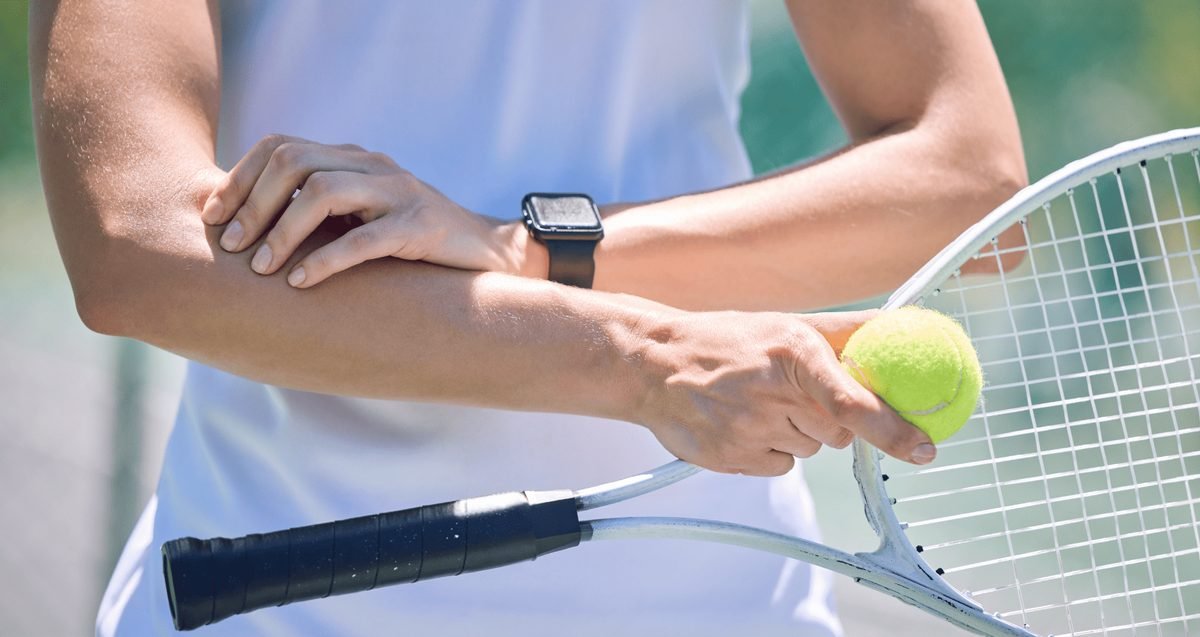
Examples include tennis elbow, patellar tendon irritation at the knee, and shoulder tendon problems, among others. Because the right approach depends on the specific tendon and how long it has been bothering you, an evaluation guides whether shockwave belongs in your plan. You can review our overall pain management approach and our detail on shockwave therapy in orthopedics.
What to Expect During Treatment
A shockwave session is typically short and done in the office. The provider locates the target area, applies gel, and delivers the acoustic waves with a handheld device. You may feel a tapping sensation and some discomfort during treatment, which is usually manageable.
There is no incision and no sedation, so most people return to daily activities soon afterward, following any guidance to ease back into loading the tendon. Shockwave is usually delivered over a small series of sessions spaced out over several weeks rather than a single visit.
Who May Be a Candidate for Shockwave Therapy?
Good candidates typically have a chronic tendon problem that has not improved with rest, activity changes, and physical therapy over a reasonable period. It is generally considered for persistent cases rather than as a first line treatment for a brand new injury.
Candidacy depends on the specific diagnosis, your health history, and your goals. An orthopedic evaluation determines whether shockwave therapy is appropriate for you, or whether another option fits your situation better.
Shockwave Therapy vs. Other Non-Surgical Options
Shockwave is one of several non-surgical tools, alongside physical therapy, activity modification, precisely placed injections, and in select cases regenerative treatment such as platelet rich plasma (PRP). These are not mutually exclusive, and results vary from patient to patient and are not guaranteed.
The right combination depends on the tendon involved, how long symptoms have lasted, and how you have responded to prior care. To see how regenerative options compare, read how PRP is used in sports medicine. An orthopedist can help you weigh the choices.
Frequently Asked Questions
Does shockwave therapy hurt?
Most people feel a tapping sensation and some discomfort during treatment, which is usually tolerable and brief. The intensity can often be adjusted for comfort. Because there is no incision or sedation, most patients return to their day soon after a session.
How many shockwave therapy sessions will I need?
Shockwave is usually delivered over a small series of sessions spaced across several weeks rather than a single visit. The exact number depends on the condition and how you respond. Your provider will outline a plan based on your specific tendon problem.
Is shockwave therapy a substitute for surgery?
For many chronic tendon problems, shockwave is used as a non-surgical option before surgery is considered, not as a replacement for surgery in every case. Whether it can help you avoid a procedure depends on your diagnosis, which an evaluation clarifies.
How soon will I feel results from shockwave therapy?
Improvement is typically gradual and builds over the course of treatment and the weeks that follow, since the goal is to support tissue healing over time. Results vary from person to person and are not guaranteed, so realistic expectations matter.
Can shockwave therapy be combined with other treatments?
Yes. Shockwave is often part of a broader plan that includes physical therapy and activity changes, and in select cases regenerative options. The right combination depends on your diagnosis, and an orthopedist can help you decide what fits.
Nutritional support for recovery
As part of a non-surgical or recovery plan, some patients ask about supplements that may support joint comfort and healing. Avastar OptimaLife, the affiliated nutraceutical line founded by Dr. Tyrance, includes options such as JointCare Tendon & Ligament and CurcuMax Pro. These supplements may support, but do not replace, medical treatment—ask Dr. Tyrance what fits your plan.

Patrick Tyrance, MD
An orthopedic surgeon and former NCAA Academic All-American linebacker and NFL draft pick. Having competed at the highest level, he understands what it takes to get patients back to what they love — with a focus on regenerative, minimally invasive care.
- Practice: Delray Beach, FL
- Profile: About Dr. Tyrance
- LinkedIn: Patrick Tyrance, MD