
Summary: A PRP shoulder injection uses platelets concentrated from your own blood to address certain rotator cuff, tendon, or joint issues in the shoulder. For Delray Beach patients considering it, the appointment is straightforward, image-guided, and integrated into a broader orthopedic plan. Results vary by patient.
If you have been told you might be a candidate for a PRP shoulder injection, the practical question is what the appointment actually involves and what to expect afterward. This guide is for Delray Beach patients who want a clear picture before they schedule. It walks through what a PRP shoulder injection is, when it is typically used, what the appointment day looks like at our office, and how recovery unfolds. The goal is information, not pressure. The decision to move forward should rest on a clinical evaluation and a realistic understanding of what PRP can do.
What a PRP shoulder injection actually is
A PRP shoulder injection delivers a concentrate made from your own blood into a targeted area within or around the shoulder joint. The platelets and growth factors in the concentrate may support the body’s response in the treated area.
Because the source material is your own blood, PRP is an autologous biologic. There is no donor tissue, no foreign material, and no implant. The full procedure happens in a single appointment at our Delray Beach office.
PRP is one of the regenerative options described on our PRP therapy service page and within the broader regenerative medicine.
Conditions in the shoulder where PRP is often considered
PRP in the shoulder is most often considered for rotator cuff tendinopathy, certain partial-thickness rotator cuff tears, biceps tendon issues, and some cases of glenohumeral joint osteoarthritis where biologic support is appropriate.
PRP is not a fit for every shoulder problem. Full-thickness rotator cuff tears with retraction in active patients who want surgical repair are not addressed by PRP. Acute traumatic tears with significant structural damage usually need a different conversation. We determine fit during the consultation rather than in advance.
For more on PRP’s role in shoulder and sports medicine specifically, see our overview of PRP in sports medicine.
What an appointment looks like at our Delray Beach office
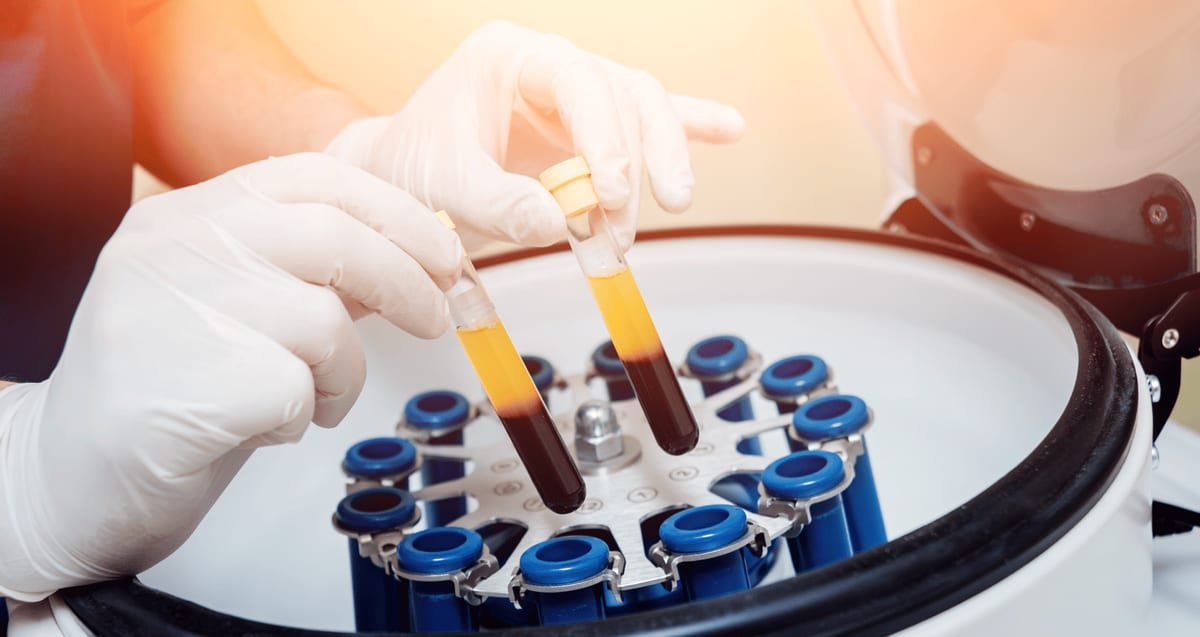
When you arrive for your PRP shoulder appointment, we confirm your case and consent. A small blood draw is taken, typically from your arm. The sample is processed in a closed centrifuge system in the procedure room while you wait comfortably.
Once the PRP is prepared, the injection is performed under image guidance. Image guidance helps target the correct anatomical area within the shoulder, which is a more reliable way to deliver the concentrate than relying on landmark-only injection. The injection itself takes a relatively short time.
The full appointment, including blood draw, processing, and injection, usually takes about 60 to 90 minutes.
After the injection: timeline and what to expect
Most patients drive themselves home after a PRP shoulder injection. We provide specific aftercare instructions through our PRP post-procedure resource, which covers activity modifications, what is normal in the first few days, and when to call us.
Mild soreness in the shoulder and at the injection site is common for several days. PRP works through a gradual biologic response, so improvements typically build over weeks rather than acting immediately. We will outline a realistic timeline based on your specific condition.
You should not expect dramatic same-day relief. If you feel something dramatic in either direction after the procedure, that is information we want to know about, and we encourage patients to reach out.
How PRP shoulder care fits into the broader plan
PRP is rarely a stand-alone fix. The shoulder issue that brought you in usually benefits from a broader plan that includes structured rehabilitation, activity modification, and sometimes other treatments alongside the injection.
For some patients, PRP is the right step before considering surgery. For others, the injection is part of a stepped plan that may include other interventions if response is incomplete. We discuss the realistic sequencing during your visit.
PRP is not FDA-approved for a specific medical condition. In Florida, PRP is offered legally with required disclosures so patients can make an informed decision during consultation. Results vary from patient to patient and are not guaranteed.
Frequently Asked Questions
Is the PRP shoulder injection painful?
Most patients describe the injection as briefly uncomfortable. We use local anesthetic and image guidance to make the procedure as tolerable as possible. Some soreness in the shoulder is common for a few days afterward.
Can I drive myself home after the injection?
Most patients drive themselves home. Because PRP is done with local anesthesia and not sedation, the day is straightforward in that sense. We will give you specific guidance if your case is an exception.
How long do I need to take it easy after the injection?
Specific activity guidance depends on the condition being treated. In general, we ask you to avoid loading the shoulder heavily for the first several days and to follow the rehabilitation plan we provide.
How many shoulder PRP injections might I need?
It depends on the diagnosis and the response. Some patients do well with a single injection. Others benefit from a short series. We will discuss the realistic expectation based on your case.
Will my shoulder feel better immediately?
No. PRP works through a biologic response that builds over weeks rather than acting immediately. If you have an urgent symptom problem that needs faster relief, we discuss other tools alongside or instead of PRP.
Can PRP replace shoulder surgery?
For some conditions, PRP and rehabilitation are sufficient and surgery is not needed. For other conditions, particularly full-thickness rotator cuff tears in active patients, surgery is the procedure that addresses the structural problem. The decision is individualized.
Nutritional support for recovery
As part of a non-surgical or recovery plan, some patients ask about supplements that may support joint comfort and healing. Avastar OptimaLife, the affiliated nutraceutical line founded by Dr. Tyrance, includes options such as JointCare Tendon & Ligament and CurcuMax Pro. These supplements may support, but do not replace, medical treatment—ask Dr. Tyrance what fits your plan.

Patrick Tyrance, MD
An orthopedic surgeon and former NCAA Academic All-American linebacker and NFL draft pick. Having competed at the highest level, he understands what it takes to get patients back to what they love — with a focus on regenerative, minimally invasive care.
- Practice: Delray Beach, FL
- Profile: About Dr. Tyrance
- LinkedIn: Patrick Tyrance, MD