

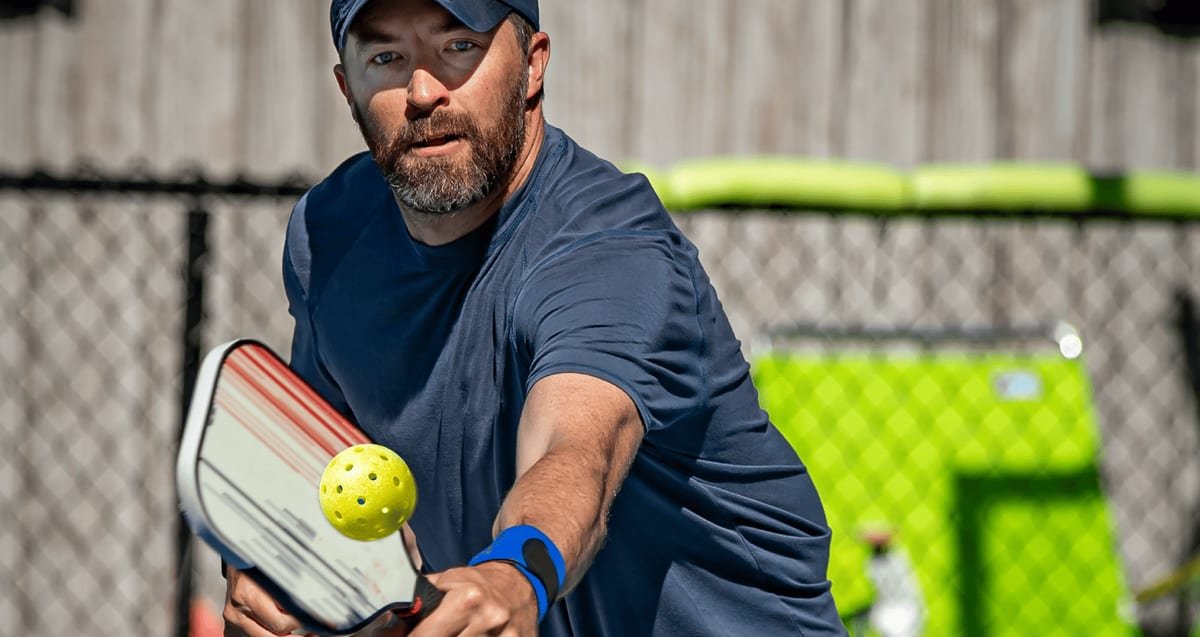
Summary: Pickleball has become one of the fastest-growing sports in Palm Beach, and with that growth has come a rise in rotator cuff injuries among recreational and competitive players. This guide explains why pickleball stresses the shoulder, the warning signs to look out for, and how Tyrance Orthopedics & Sports Medicine evaluates and treats these injuries.
Pickleball has exploded across Palm Beach County, and the result is predictable: orthopedic offices are seeing more shoulder injuries from the sport than ever before. The rotator cuff, a group of four small muscles and their tendons that stabilize the shoulder, is the most common shoulder structure to flag a problem in players. This guide is for Palm Beach players who want to understand what is happening in their shoulder, what warning signs deserve a closer look, and how Tyrance Orthopedics & Sports Medicine evaluates and treats pickleball-related rotator cuff issues without pushing every player straight to surgery.
Why pickleball produces rotator cuff injuries
Pickleball involves repeated overhead and across-the-body movements at faster speeds than many recreational players expect from the sport. The shoulder is asked to decelerate the arm after each shot, stabilize during quick directional changes, and recover into position for the next ball.
For players who jumped into pickleball without prior overhead-sport experience, the rotator cuff was often not conditioned for this load. Add the volume that recreational players in Palm Beach typically log (several sessions per week, longer rallies, hot weather), and you have the setup for an irritated or partially injured rotator cuff.
TOSM evaluates pickleball players through our sports medicine, where the shoulder is examined as an athletic structure, not just a painful joint.
Signs that point to a rotator cuff problem
Common warning signs include shoulder pain that worsens with overhead motion, weakness when lifting the arm to shoulder height or above, night pain that disturbs sleep on the affected side, clicking or catching with certain movements, and a gradual loss of range that did not exist a few months ago.
A useful distinction: soreness that improves with a day of rest and warmup the next session is typical of muscle fatigue. Pain that returns at the start of every session, escalates over weeks, or limits your serve and overhead is more likely a tendon-level issue that benefits from evaluation.
Catching, mechanical clicking, or a sense of weakness that surprises you mid-shot should not be ignored.
The kinds of rotator cuff injuries we see in players
In Palm Beach pickleball players we commonly see rotator cuff tendinopathy (irritation and degeneration of the tendon without a complete tear), partial-thickness rotator cuff tears, and in some cases full-thickness tears, particularly in older recreational players whose tendons were already vulnerable.
We also see bursitis and impingement patterns that are not strictly rotator cuff problems but co-exist with tendon irritation and contribute to symptoms.
The right treatment is shaped by which of these is actually going on. That requires examination and, when appropriate, imaging.
How TOSM evaluates a suspected rotator cuff injury
Evaluation starts with a clinical exam: range of motion, strength testing of specific rotator cuff muscles, and provocative tests to localize the issue. We ask about how often you play, the level of play, recent changes in volume or intensity, and what you have already tried.
Imaging is added when the exam suggests it would change the plan. Ultrasound or MRI helps confirm or rule out specific structural issues. We do not order scans before they are clinically warranted.
The goal of the visit is a diagnosis you can act on, not a generic plan.
Treatment options for pickleball-related shoulder injuries
Most rotator cuff issues in pickleball players are managed without surgery. The starting point is usually a structured plan that includes activity modification, targeted physical therapy, and sometimes injection-based treatment to allow rehab to progress.
For tendinopathy that has not responded to conservative care, regenerative options like PRP may be discussed. For partial tears in active players who want to maintain performance, the decision between continued conservative care and a surgical option depends on tear pattern, function, and goals.
Surgery is on the table for specific patterns, particularly full-thickness tears with functional weakness in players who want to return to the sport. We discuss that path honestly when it fits and recommend against it when it does not.
Frequently Asked Questions
Can I keep playing pickleball while my shoulder is healing?
Sometimes, with modifications. The right answer depends on the diagnosis. For mild tendinopathy, modified play and a structured plan are often workable. For a partial or full-thickness tear, we may recommend a temporary pause to avoid worsening the injury.
Does every shoulder injury in pickleball mean a torn rotator cuff?
No. Many shoulder issues in players turn out to be tendinopathy, bursitis, or impingement rather than a tear. That is part of why a proper evaluation matters before assuming the worst.
Do all rotator cuff tears require surgery?
No. Many partial tears and even some full-thickness tears are managed without surgery, particularly in patients whose function is acceptable with rehabilitation and activity adjustments. The decision depends on the specific tear pattern, your goals, and how the shoulder responds to conservative care.
Can PRP help a rotator cuff issue from pickleball?
For certain conditions, yes. PRP may be considered for tendinopathy or partial tears that have not responded to first-line care. Whether it fits depends on the case, and results vary by individual.
How long does pickleball-related rotator cuff recovery take?
It varies widely. Tendinopathy that has not yet caused structural damage may improve over weeks with the right plan. Partial or full-thickness tears, whether managed conservatively or surgically, take longer. We give realistic timelines based on your specific case.
How can I reduce my risk going forward?
Gradual increases in play volume, an off-court strengthening program for the shoulder and upper back, attention to technique, and pacing during hot weather all help. We can connect you with appropriate rehabilitation resources during your visit.
Nutritional support for recovery
As part of a non-surgical or recovery plan, some patients ask about supplements that may support joint comfort and healing. Avastar OptimaLife, the affiliated nutraceutical line founded by Dr. Tyrance, includes options such as JointCare Tendon & Ligament and CurcuMax Pro. These supplements may support, but do not replace, medical treatment—ask Dr. Tyrance what fits your plan.

Patrick Tyrance, MD
An orthopedic surgeon and former NCAA Academic All-American linebacker and NFL draft pick. Having competed at the highest level, he understands what it takes to get patients back to what they love — with a focus on regenerative, minimally invasive care.
- Practice: Delray Beach, FL
- Profile: About Dr. Tyrance
- LinkedIn: Patrick Tyrance, MD