

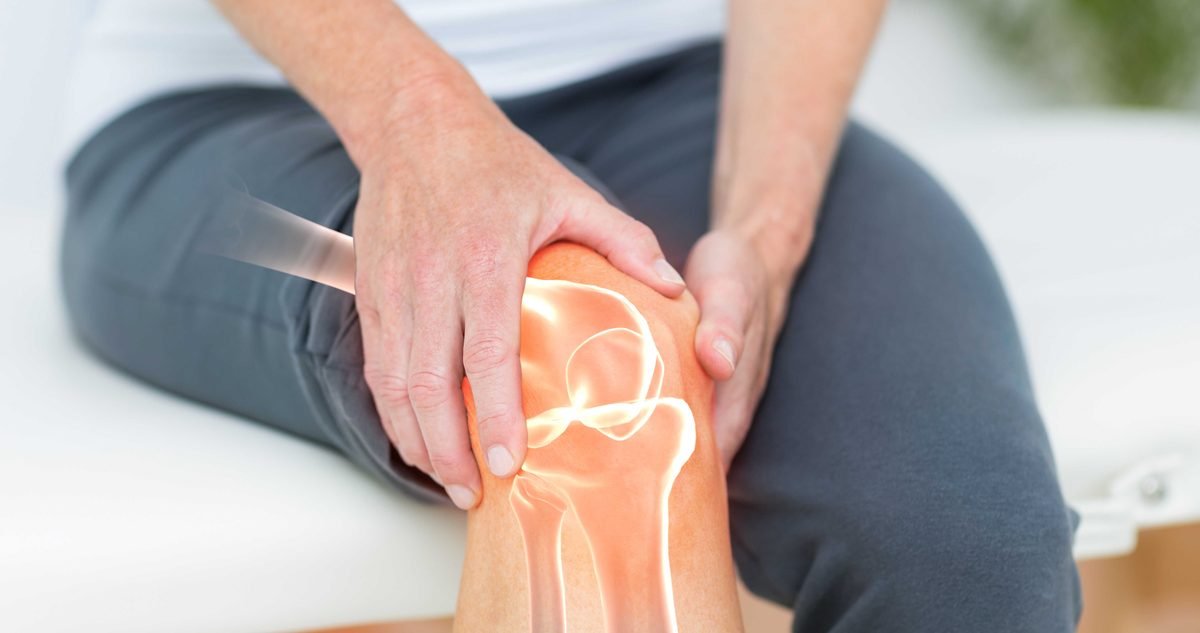
Summary: Common cortisone shot alternatives include PRP (platelet-rich plasma), Traumeel injections, and shockwave therapy. Cortisone reduces inflammation quickly but does not repair tissue and is limited with repeated use. The alternatives work more slowly and aim to support healing, which is why many people consider them for ongoing or slow-healing joint and tendon pain.
A cortisone shot can feel like a rescue. The pain quiets down, you move freely again, and for a while the problem seems solved. Then, weeks or months later, the ache creeps back. If that cycle sounds familiar, you are not alone, and you are not out of options.
Cortisone is useful, but it is not the only injection for joint and tendon pain, and it is not always the right long-term choice. This guide compares the most common cortisone shot alternatives, explains how each one works, and helps you understand which approach may fit your situation before your next appointment.
Why Look for Cortisone Shot Alternatives?
People look for cortisone shot alternatives when relief keeps fading, when they have already had several injections, or when they want to support healing rather than only quiet the pain. Cortisone calms inflammation, but it does not repair the underlying tissue, so the same problem often returns. Exploring other non-surgical pain management options can change that pattern.
This matters most for ongoing or slow-healing problems, such as tendonitis, mild arthritis, or a stubborn joint that flares every time activity picks up. For those cases, an approach aimed at healing, not just masking, can be worth a conversation with the team at Tyrance Orthopedics & Sports Medicine.
How Cortisone Works, and Where It Falls Short
Cortisone is a corticosteroid that reduces inflammation in a joint or around a tendon. Relief often comes within days and can last weeks to months. Its strength is speed, which makes it useful for calming a painful flare so therapy and movement become possible again.
The limits show up over time. Cortisone does not rebuild damaged tissue, and its effect can wear off. The American Academy of Orthopaedic Surgeons notes that cortisone injections are typically spaced out and limited in number, because repeated steroid injections into the same area can weaken nearby tissue. That is the main reason patients and providers look at alternatives when pain keeps coming back.
Worth knowing: Cortisone is not bad or something to avoid at all costs. It has a real role in calming acute flares. The question is whether repeated shots are the best long-term plan for your specific injury, which is a decision to make with your provider at Tyrance Orthopedics & Sports Medicine.
Cortisone Shot Alternatives Compared
The main alternatives to a cortisone shot each take a different path to relief. Some use your body's own healing signals, others use non-steroidal ingredients or targeted energy. The table below compares the most common options side by side so you can see how they differ.
| Option | How it works | Often used for | Key consideration |
|---|---|---|---|
| Cortisone | Steroid that reduces inflammation fast | Acute flares, short-term relief | Does not repair tissue, limited repeat use |
| PRP | Concentrated platelets support tissue repair | Tendon injuries, mild arthritis | Works gradually, results vary |
| Traumeel | Homeopathic, non-steroidal anti-inflammatory | Inflammation without steroids | A gentler, non-steroid option |
| Shockwave | Sound waves stimulate blood flow and healing | Chronic tendon and soft-tissue pain | Multiple sessions may be needed |
No single option is best for everyone. The right choice depends on what is injured, how long it has hurt, and whether the goal is fast relief or longer-term repair.
PRP as a Cortisone Alternative
PRP, or platelet-rich plasma, is one of the most discussed cortisone alternatives. It uses a concentration of your own platelets, drawn from a small blood sample, to support healing at the injured site. Offered through PRP therapy, it is minimally invasive and done in the office.
The trade-off is timing. Where cortisone works fast and fades, PRP works gradually and aims for longer-lasting change by encouraging repair. As part of a broader regenerative medicine approach, it is often considered for tendon injuries and early arthritis when someone wants to move beyond repeat steroid shots.
Traumeel and Shockwave: Non-Steroid Options
Not every alternative is regenerative. Traumeel injections use a homeopathic, non-steroidal formula, which appeals to people who want to calm inflammation without a corticosteroid. It can be an option when the goal is relief with a gentler approach.
For stubborn tendon and soft-tissue pain, shockwave therapy takes a different route entirely. It uses focused sound waves to stimulate blood flow and the body's healing response, usually over a few sessions, with no injection at all. It is often paired with therapy for chronic problems that have not responded to rest.

Which Option Is Right for You?
The best cortisone alternative depends on your diagnosis and your goals. Fast, short-term relief points one way, while healing a slow-to-recover tendon points another. Many people end up combining approaches, using one option to calm a flare and another to support repair over time.
That decision is hard to make from an article alone. An exam and, when needed, imaging at Tyrance Orthopedics & Sports Medicine tell the team what is actually injured and how far along it is, which is what determines whether cortisone, PRP, Traumeel, shockwave, or a mix makes the most sense.
Tired of cortisone shots that wear off? Talk through your options with Dr. Tyrance.
Schedule an evaluationFrequently Asked Questions

Patrick Tyrance, MD
An orthopedic surgeon and former NCAA Academic All-American linebacker and NFL draft pick. Having competed at the highest level, he understands what it takes to get patients back to what they love — with a focus on regenerative, minimally invasive care.
- Practice: Delray Beach, FL
- Profile: About Dr. Tyrance
- LinkedIn: Patrick Tyrance, MD
- [1]American Academy of Orthopaedic Surgeons. www.orthoinfo.org/treatment/cortisone-shot-steroid-injectionAAOS