

Summary: The five pillars of health are often described as movement, nutrition, sleep, stress management, and social connection. The BioMastery™ Philosophy, developed by Avastar® Health Systems and adopted by our practice, takes a different approach, focusing on how the body heals through five interconnected domains: regenerative medicine and biological repair, movement and structural longevity, metabolic health, cognitive reserve, and recovery and adaptation.
Muscles, bones, and joints are central to this approach because they play a vital role in maintaining mobility, function, and long-term physical activity.
Table of Contents
- What Are the 5 Pillars of Health?
- Healthspan vs. Lifespan: Why the Pillars Matter
- Pillar I: Regenerative Medicine & Biological Repair
- Pillar II: Movement & Structural Longevity
- Pillar III: Metabolic Health
- Pillar IV: Cognitive Reserve
- Pillar V: Recovery & Adaptation
- How We Apply the Five Pillars at Tyrance Orthopedics & Sports Medicine
- Start With the Pillar That Limits You Most
- Frequently Asked Questions
Most people plan for a longer life. Fewer plan for the years they want to spend hiking, playing pickleball, or getting up off the floor without help. That difference between living long and living well is why the five pillars of health matter, and it is the part of aging our orthopedic team sees every day.
Below are the five pillars of The BioMastery™ Philosophy, developed by Avastar® Health Systems and adopted by our practice, and where orthopedic care fits in.
What Are the 5 Pillars of Health?
The five pillars of health are the core areas that shape how well you function as you age. In The BioMastery™ Philosophy, which guides our care at Tyrance Orthopedics & Sports Medicine, they are regenerative medicine and biological repair, movement and structural longevity, metabolic health, cognitive reserve, and recovery and adaptation. Together, they protect the strength and mobility that keep you active.
The summary below shows what each pillar covers.
- IRegenerative Medicine & Biological RepairTendon, ligament, and cartilage repair; inflammation control
- IIMovement & Structural LongevityMuscle mass, bone density, joint mechanics, functional strength
- IIIMetabolic HealthProtein sufficiency, micronutrients, insulin sensitivity, body composition
- IVCognitive ReserveStress regulation, sleep quality, executive function, purpose alignment
- VRecovery & AdaptationSleep, circadian rhythm, planned rest, nervous system recovery
Healthspan vs. Lifespan: Why the Pillars Matter
Lifespan is how many years you live. Healthspan is how many of those years you spend active, independent, and free of limiting disease or pain. The five pillars are tools for widening healthspan, so the later decades include the activities you care about, not just more time.
For many of our patients, the first sign of a shrinking healthspan is a knee that cuts walks short or a shoulder that ends a golf season. When a joint hurts every day, training, sleep, and weight control all get harder.
Pillar I: Regenerative Medicine & Biological Repair
Pillar I focuses on repairing damaged tissue so the other pillars stay within reach. It covers tendon and ligament injuries, cartilage wear, and chronic joint inflammation. This is the pillar our medical team delivers directly, through orthopedic evaluation and treatments that work with the body’s own healing biology.
Our regenerative medicine program includes platelet-rich plasma (PRP), prepared from a patient’s own blood, and bone marrow aspirate concentrate, prepared from a patient’s own bone marrow.
Both are options for selected joint and tendon problems, and candidacy depends on the diagnosis, imaging, and goals. For more detail on one of these options, see our page on bone marrow aspirate concentrate.
Regulatory note: PRP and bone marrow aspirate concentrate are not approved by the FDA for any specific orthopedic condition; they are legally available under Florida law. The effectiveness of orthobiologics is still being studied, and individual results may vary.
Pillar II: Movement & Structural Longevity
Pillar II treats muscle, bone, tendon, and joint capacity as drivers of healthspan. Muscle mass and bone density decline with age unless they are loaded, and stronger tissue tolerates daily life and sport with less strain. Structural longevity means keeping that capacity, not just staying busy.
The CDC physical activity guidelines for adults call for at least 150 minutes of moderate activity each week plus muscle strengthening on two or more days. For people with joint pain or a past injury, the challenge is doing that safely. Our sports medicine team helps athletes and active adults diagnose injuries and plan a return to activity.
Our article on building resilience against injury covers prevention habits, and a functional movement analysis service is coming soon.

Pillar III: Metabolic Health
Pillar III covers how the body is fueled: protein, micronutrients, body composition, and insulin sensitivity. These factors influence inflammation and how efficiently tissue repairs after training, injury, or a procedure. Metabolic health is where nutrition stops being a diet topic and becomes part of recovery.
In practice, that means paying attention to protein, micronutrients, and body composition alongside the injury itself. Our BioMastery™ IV infusions, designed by physicians, are one part of a larger plan, not a drip on their own, and may support some patients as part of broader care.
Pillar IV: Cognitive Reserve
Pillar IV covers stress regulation, sleep quality, executive function, and purpose alignment. It is the pillar that determines adherence and whether the changes last. The habits behind every other pillar only pay off if you can keep them up for years, not weeks.
In orthopedic care, this shows up as follow-through. Completing a rehab program, staying consistent with strength training, and returning to activity gradually all depend on managing stress, sleeping well, and staying clear about why the work matters to you.
Pillar V: Recovery & Adaptation
Pillar V covers the work that happens between efforts: sleep, circadian rhythm, nervous system recovery, and planned rest. Tissue adapts to training during recovery, not during the workout itself. Without enough of it, the same load that builds strength can lead to overuse injury.
According to a CDC analysis published in MMWR, sleep experts recommend that adults aged 18 to 60 get at least seven hours each night, yet more than a third of American adults fall short. Beyond sleep, recovery includes lighter training weeks, consistent wake times, and adjusting activity after travel, illness, or a bout of joint pain.
How We Apply the Five Pillars at Tyrance Orthopedics & Sports Medicine
We use the five pillars as a lens for every evaluation. A shoulder or knee problem is diagnosed and treated on its own terms, then placed in the context of how the patient moves, recovers, and fuels their body, so the plan supports lasting function rather than a quick fix.
- IRegenerative Medicine & Biological RepairOrthopedic diagnosis, PRP, and regenerative options derived from bone marrow
- IIMovement & Structural LongevitySports medicine care and minimally invasive arthroscopic surgery when needed; Human Performance coming soon
- IIIMetabolic HealthPhysician-designed IV infusion protocols and wellness support aligned with Avastar®’s BioMastery™ philosophy.
- IVCognitive ReserveTreatment plans built around your goals and schedule to support adherence over time
- VRecovery & AdaptationRecovery planning after injuries, procedures, and training blocks
These statements have not been evaluated by the Food and Drug Administration. These products are not intended to diagnose, treat, cure, or prevent any disease.
Start With the Pillar That Limits You Most
You do not have to fix all five pillars at once. Most people get the biggest return by addressing the one that limits them most, and for many active adults, that is a joint or tendon problem that makes movement painful. Solving it opens the door to the other four.
If joint pain is holding back your activity, request a consultation with our team.
Request a ConsultationDiscuss where you stand and which options fit your goals.
Frequently Asked Questions
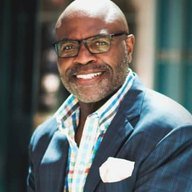
Patrick Tyrance, MD
An orthopedic surgeon and former NCAA Academic All-American linebacker and NFL draft pick. Having competed at the highest level, he understands what it takes to get patients back to what they love — with a focus on regenerative, minimally invasive care.
- Practice: Delray Beach, FL
- Profile: About Dr. Tyrance
- LinkedIn: Patrick Tyrance, MD
- [1]the CDC physical activity guidelines for adults. cdc.gov/physical-activity-basics/guidelines/adultsCDC
- [2]a CDC analysis in MMWR on adult sleep duration. pubmed.ncbi.nlm.nih.gov/26890214CDC · MMWR